Hear from BCE Student Testimonials
Biocomputational Engineering students gain opportunities to apply their coursework in internships, research experiences, and professional settings. The experiences of our current senior cohort demonstrate the range of career pathways available to BCE students, from biotechnology and medical-device development to artificial intelligence, biomedical research, computational chemistry, and data science.
Each student has pursued experiences aligned with their interests and career goals, applying computation, engineering, and biological science to real-world problems. Together, their experiences highlight the different ways BCE students can explore their interests and build career-ready skills. Read BCE student testimonials here:
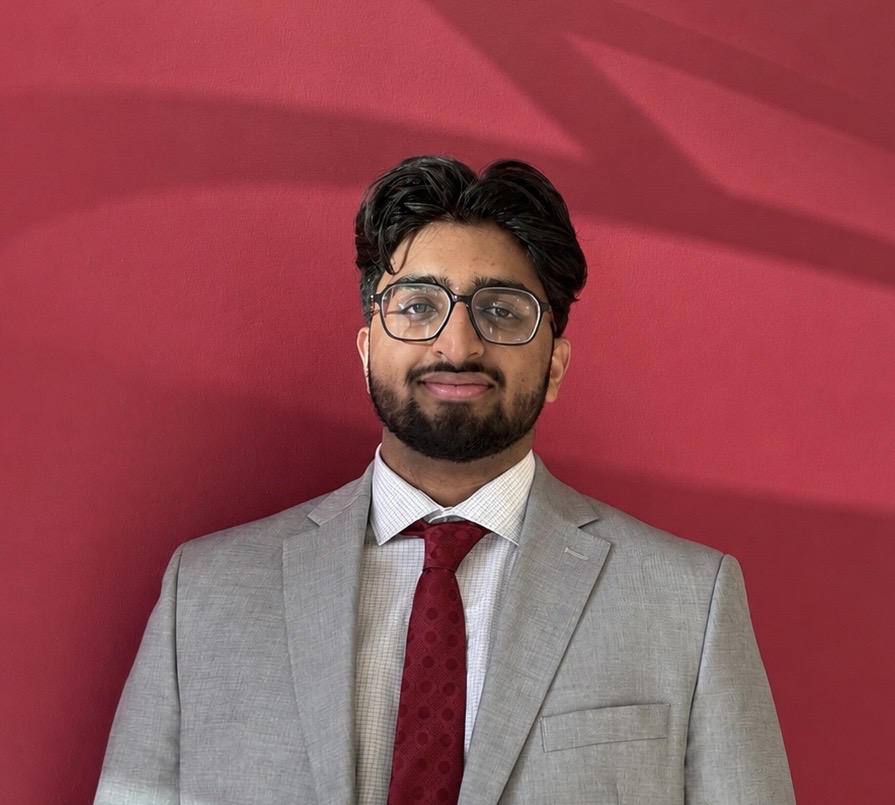
At Rise Therapeutics, Joel developed AI and data infrastructure and automated clinical research workflows, including tools for clinical-trial data tracking and analysis. At the UCSF Tensor Lab, he applied machine learning to clinical and electronic health record data to study peripheral artery disease, including predictive modeling, model evaluation and analysis of patient risk factors.
“Working with clinical data, machine learning, and healthcare software strengthened my interest in pursuing a career at the intersection of AI, biomedical engineering, and medicine.”
These experiences allowed Joel to apply concepts from coursework to real patient and research data while strengthening his interest in the intersection of AI, biomedical engineering and medicine.
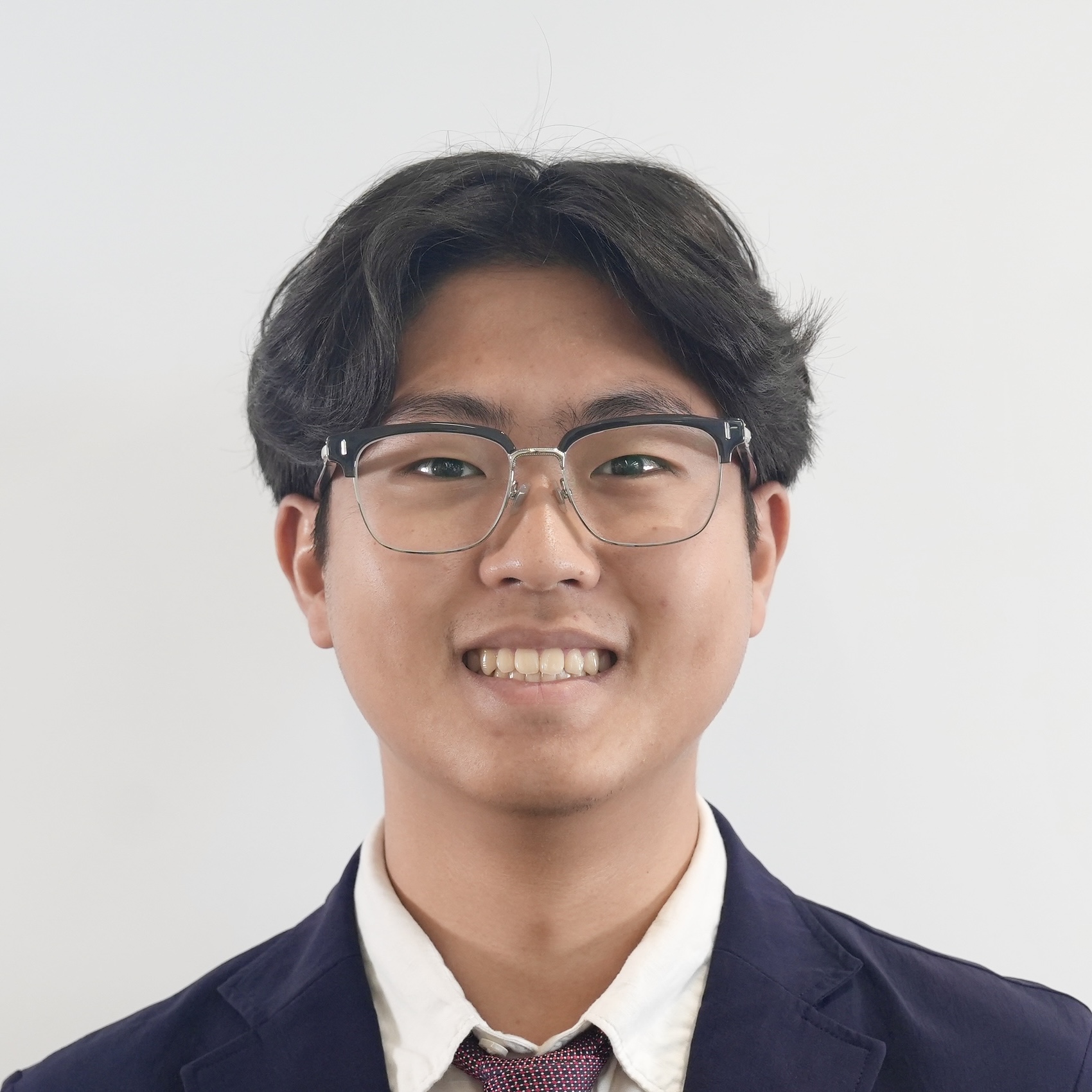 Christopher’s experiences span biotechnology, artificial intelligence, computational modeling, and bioinformatics. At American Type Culture Collection (ATCC), he characterized reference genomic datasets to help researchers and industry clients evaluate authenticated biological standards. At the National Institute of Standards and Technology (NIST), he built AI and decision-support systems, developed surrogate models for complex thermodynamic simulations, and designed verification and validation routines. At SUNY Upstate Medical University, he used computational methods to study gene expression across cancer cohorts.
His BCE coursework has also included transcriptomic analysis of human hippocampal tissue to investigate overlapping neurodegenerative pathways across Alzheimer’s disease, Down syndrome, and Parkinson’s disease models.
“I wanted a degree where I didn't have to choose between clinical biology and computation, but could instead use engineering principles to tackle complex health and data challenges.”
Christopher’s experiences have given him a technical foundation for developing AI and machine-learning tools and have shaped his goal of applying those skills to healthcare and biotechnology.
After joining BCE, Sethmini began working on a breast cancer early-detection research project at the University of Maryland. The project explores whether breast thermography can help identify unusual heat patterns that may be related to breast cancer.
Her work includes processing thermal images, developing a Diffusion Maps-based method to represent meaningful patterns in the images, improving code, creating visualizations, identifying breast regions and extracting image features for machine-learning analysis. She has also contributed to preparing a research paper based on the project.
“This project helped me see how they can all work together to solve a real healthcare problem.”
The experience has strengthened her interest in using computation and AI to study biological systems and improve disease detection, and has encouraged her to pursue graduate study in computational biology, biomedical imaging or a related field.
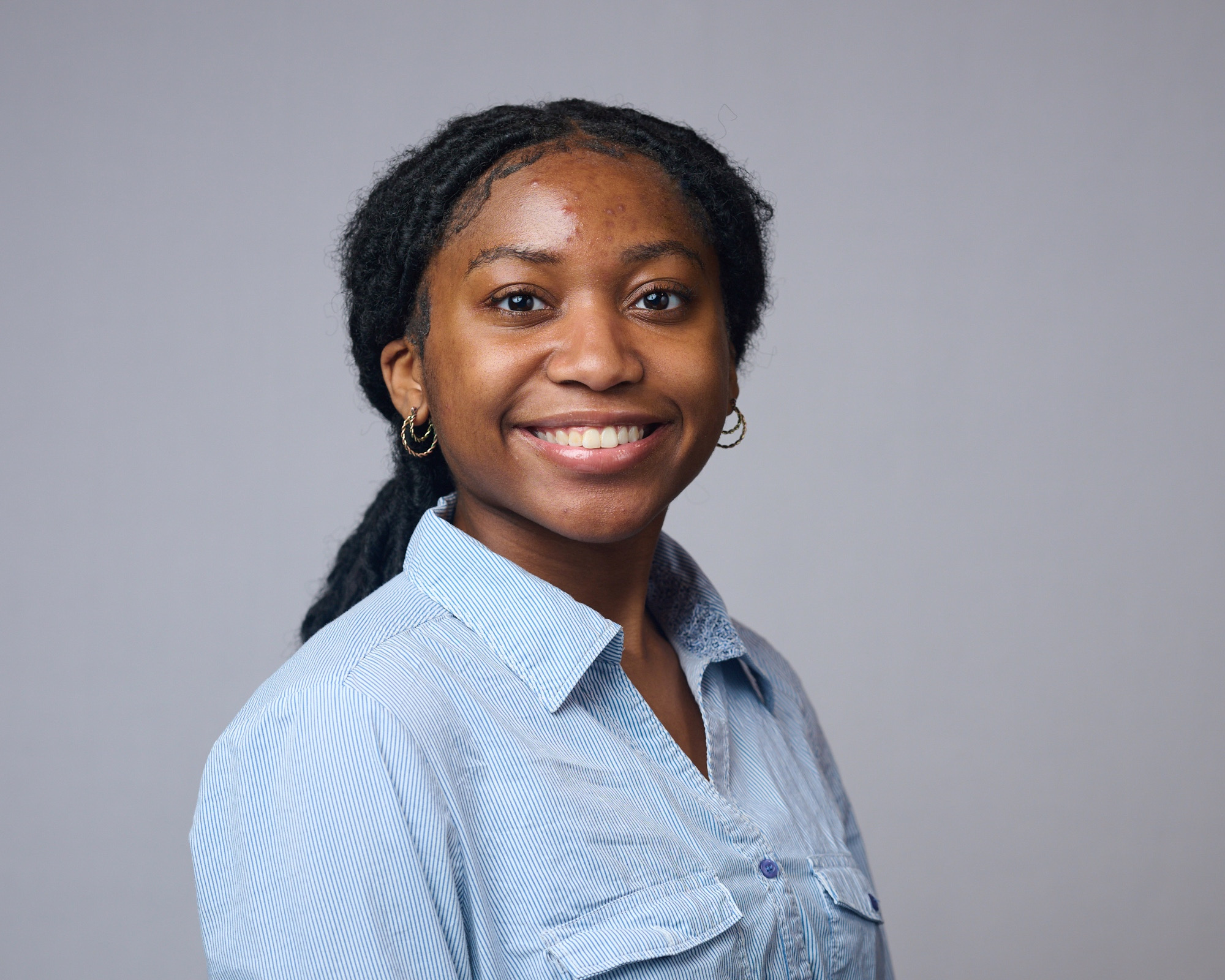 At DEVCOM Army Research Laboratory, Ofure uses Python to alter the optical properties of bulk silicon for band-pass and band-stop filter applications. She also develops computational workflows for quantum calculations, models electrolyte redox and performance, and investigates electrolyte behavior using density functional theory.
“This experience has strengthened my coding skills and my overall thinking skills when it comes to developing computational pipelines to realize physical outcomes.”
Her experience has helped her develop as a computational scientist and researcher as she prepares to pursue PhD programs involving computing and machine learning for drug discovery applications.
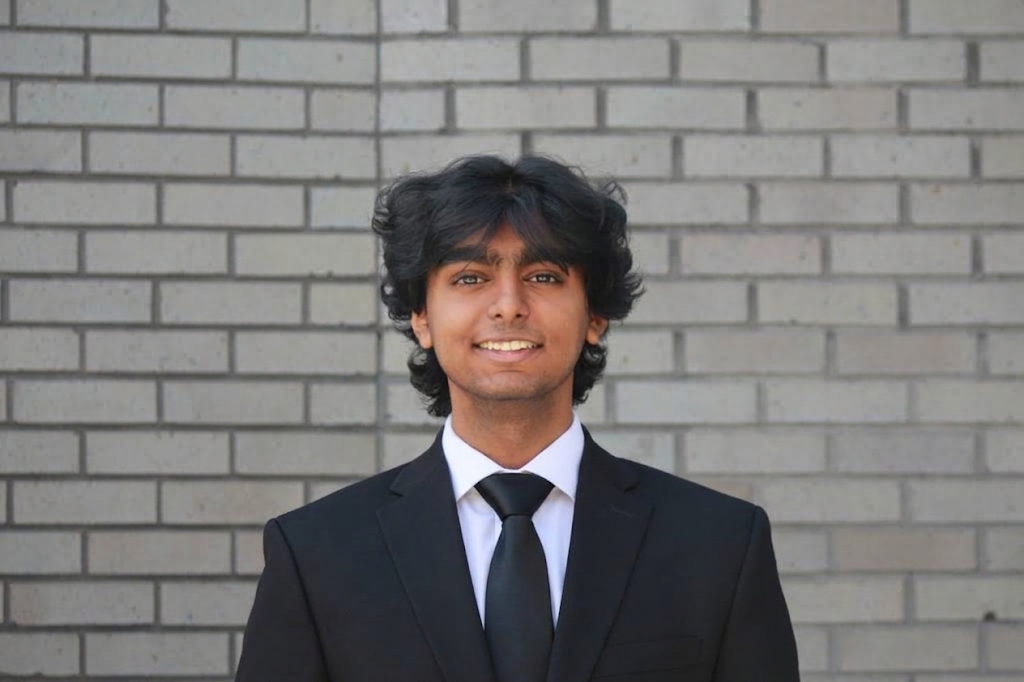 At Vidoori, Kavyesh worked as a data analyst intern, optimizing and refining the company’s hiring pipeline to help hiring managers identify suitable candidates more efficiently. At IBM, he worked as a backend development intern, automating testing for middleware supporting large-scale credit card transactions.
“These experiences helped me realize how imperative it is to view AI/LLMs as holistic systems that have many loose ends that need to be tied up, instead of them being the end-all-be-all solution.”
His experiences shaped his perspective on the importance of examining AI systems holistically, including identifying and accounting for potential biases in models.
At MilliporeSigma, Matthew worked as a GxP systems engineer, performing software data cleanup and developing a script to analyze GxP compliance risk. His work helped reduce the number of entries requiring manual audit-trail review while supporting greater efficiency and quality in GxP practices.
“This experience showed me the value of being able to automate processes and really analyze the gaps and inefficiencies in critical tasks.”
The experience also strengthened Matthew’s use of AI and technical programming and gave him exposure to the regulatory challenges faced by biotechnology companies.
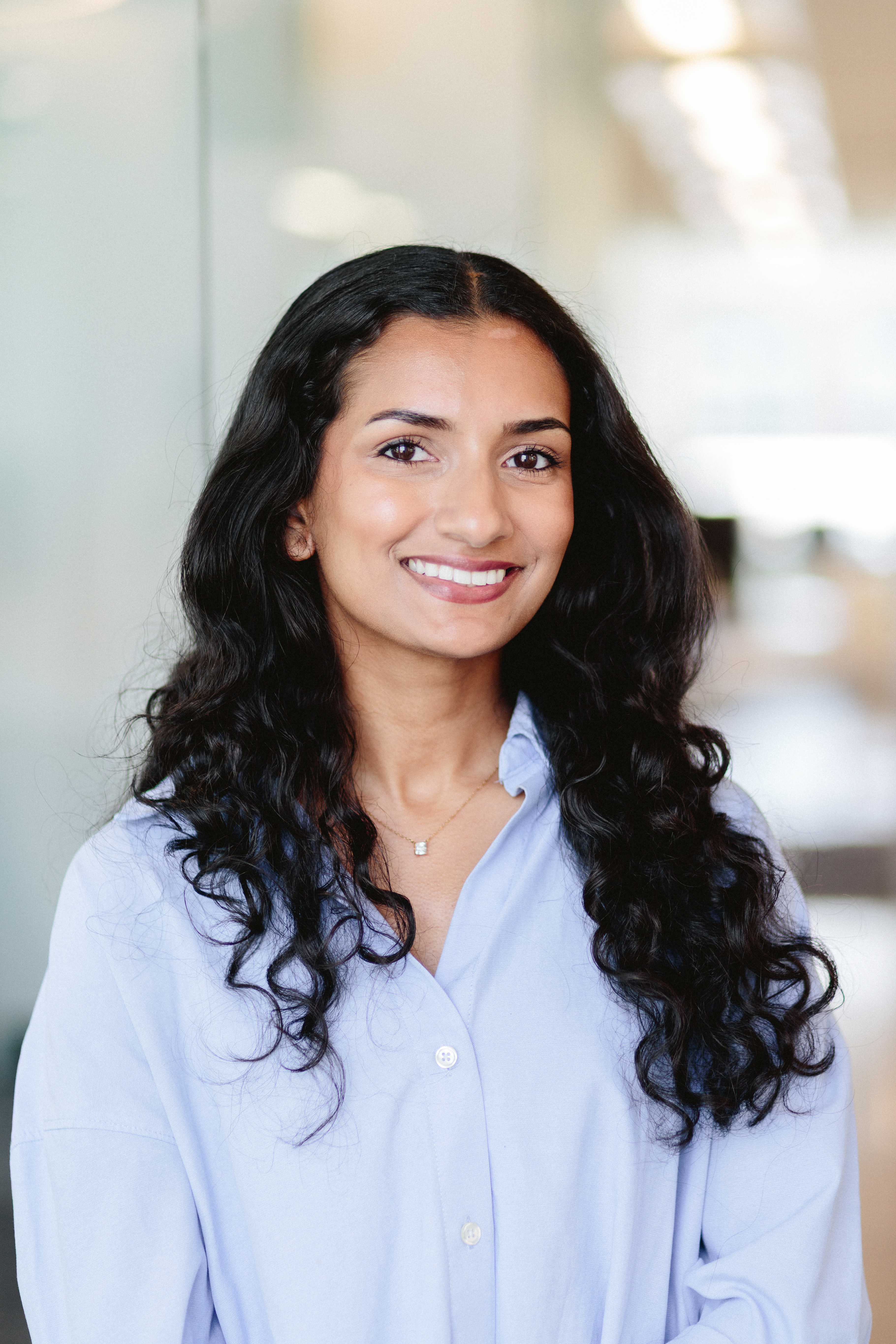
At Longeviti Neuro Solutions, Avneet contributes to the development of a therapeutic ultrasound platform designed to temporarily disrupt the blood-brain barrier through a cranial implant. Her work combines computational modeling, experimental acoustics, software development and medical-device research.
She has characterized ultrasound behavior through the implant, developed three-dimensional acoustic-field maps, worked on methods for detecting microbubble cavitation and built visualization tools and computational models to support a preclinical study. She has also contributed to projects involving medical-image processing and computational reconstruction of anatomical structures.
“My experience thus far has shown me how computation, experimental research, and engineering come together to develop potentially life-changing medical technology.”
These experiences have strengthened her interest in biotechnology, computation and medical-device development while giving her experience working with multidisciplinary teams and translating research into potential clinical applications.